
Understanding Numbered Cards: A Collector's Guide to Value and Rarity


Understanding the world of numbered cards can be an exciting journey for collectors. These cards, often found in sports, trading card games, and other collectible formats, hold a unique allure due to their limited availability and potential value. In this guide, we'll explore the key aspects that make numbered cards desirable.
What Are Numbered Cards?
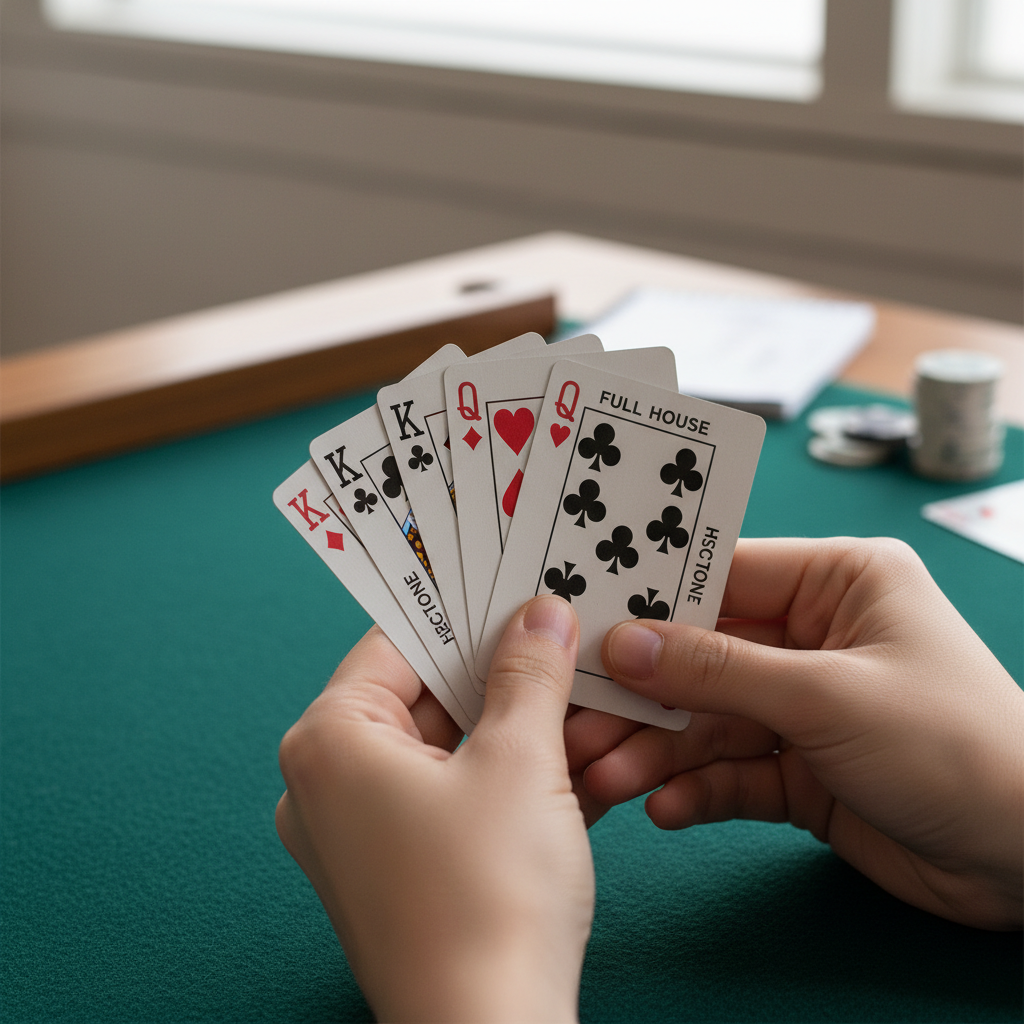
Numbered cards are limited edition cards that feature a specific serial number printed on them. This number indicates the card's position within a limited print run. For example, a card might be numbered 23/100, meaning it is the 23rd card out of a total of 100 produced. This inherent scarcity can significantly enhance a card's value for collectors.
These cards are often found in packs and can be a thrilling discovery for collectors. The limited nature of these cards makes them highly sought after, especially when they feature popular players or characters.
The Appeal of Scarcity
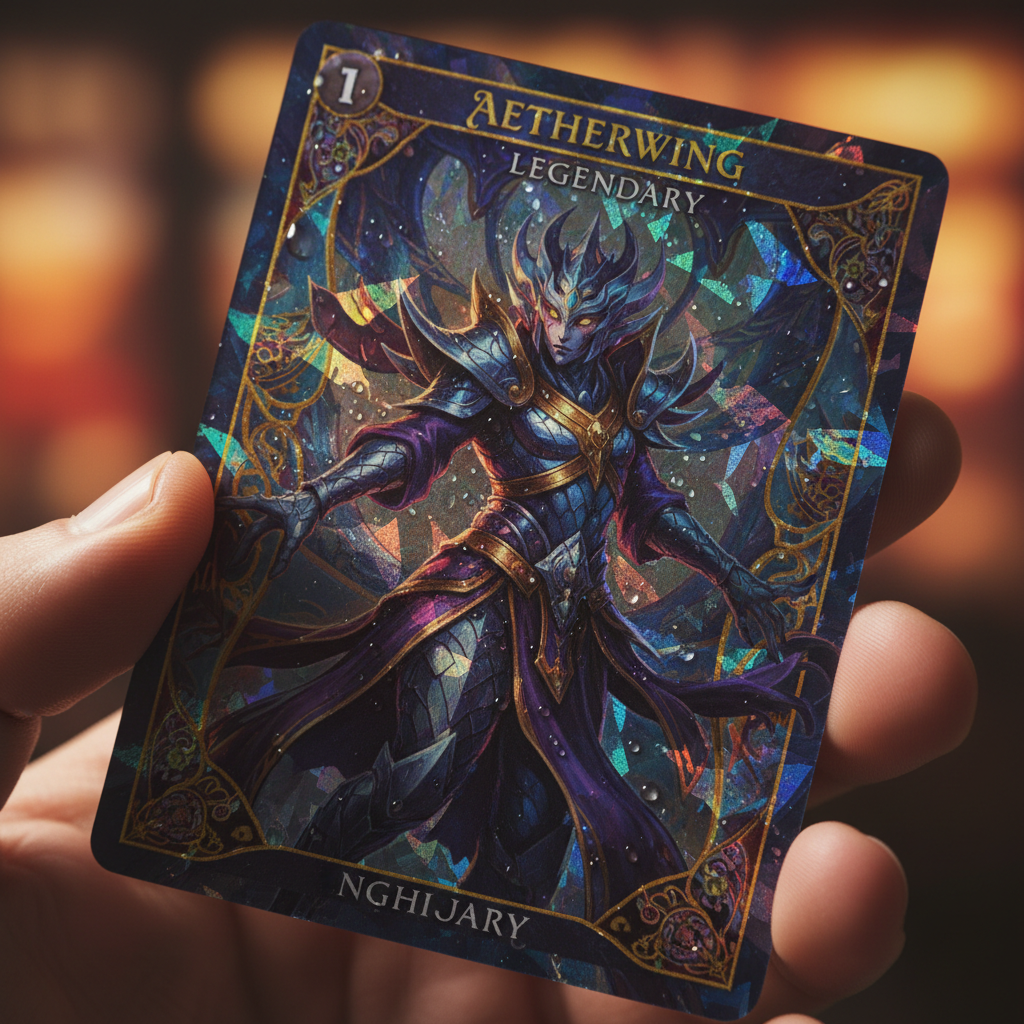
The primary allure of numbered cards lies in their scarcity. Collectors value items that are rare and difficult to obtain. The fewer copies exist, the more exclusive and desirable the card becomes. This scarcity can drive prices up, creating a competitive market among enthusiasts looking to expand their collections.
Determining Value
Several factors contribute to the value of a numbered card. Understanding these elements can help collectors make informed decisions when buying or selling. Some key factors include:
- Print Run: The total number of cards produced. A smaller print run generally increases a card's value.
- Condition: Cards in mint condition are more valuable. Any damage or wear can decrease the card's worth.
- Popularity: Cards featuring popular athletes or characters tend to be in higher demand.
By considering these factors, collectors can better assess the potential value of their numbered cards.
Rarity Levels
Numbered cards can come in various levels of rarity. Some common terms you might encounter include:
- Base: The most common type, usually unnumbered or with higher print runs.
- Parallel: Features different colors or designs, often with lower print runs.
- One-of-One: A unique card with only one copy, making it extremely rare and valuable.
Building a Collection
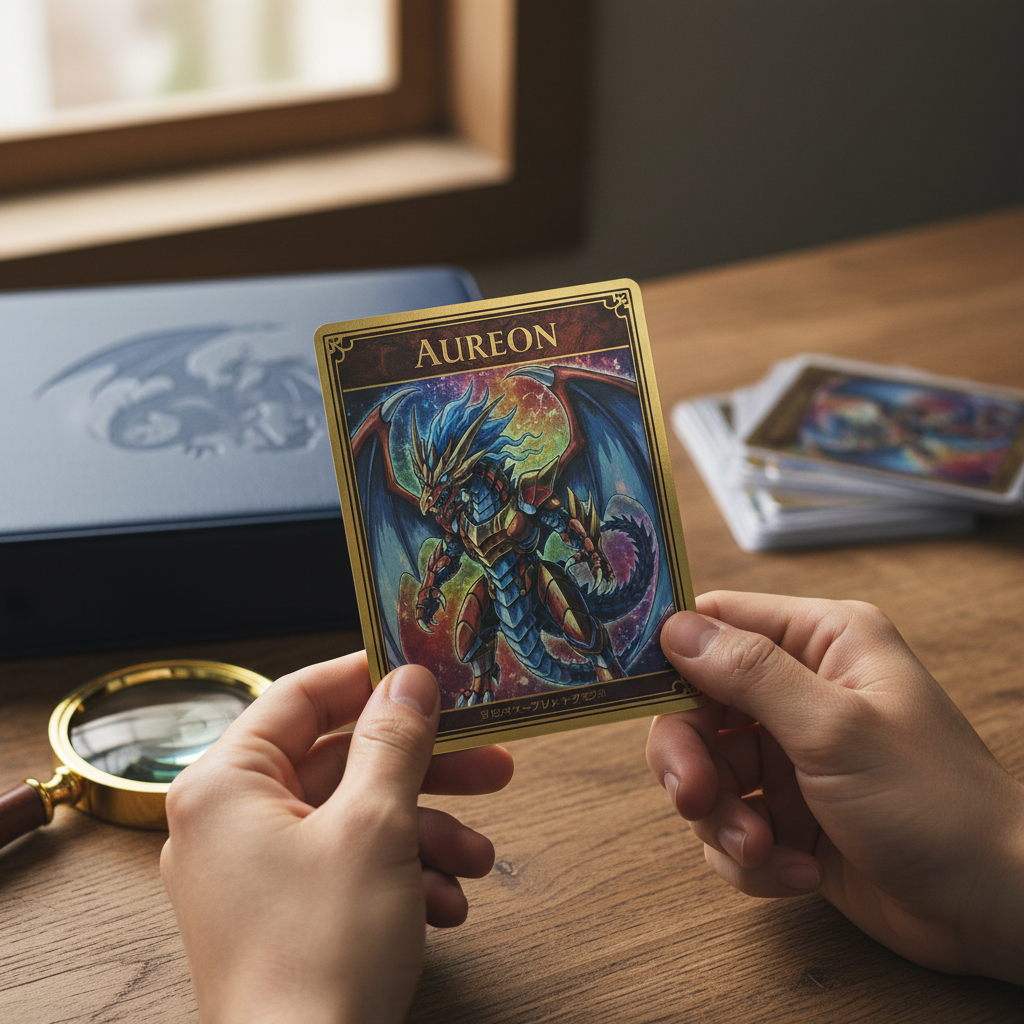
For collectors, building a collection of numbered cards involves strategy and patience. It's essential to research and understand market trends, as well as to know which cards are most sought after. Networking with other collectors and participating in forums or online communities can also provide valuable insights.
Additionally, attending trade shows or conventions can be a great way to discover new cards and meet fellow enthusiasts. These events often offer opportunities for trading and purchasing cards directly from vendors or other collectors.
Preserving Your Collection
Proper care and storage of numbered cards are crucial to maintaining their value. Here are some tips for preserving your collection:
- Use protective sleeves or cases to prevent damage.
- Store cards in a cool, dry environment to avoid humidity-related issues.
- Handle cards with clean hands to prevent oils or dirt from transferring.
By taking these precautions, you can ensure your collection remains in excellent condition for years to come.
In conclusion, numbered cards offer an exciting and potentially rewarding avenue for collectors. With an understanding of their scarcity, value factors, and preservation techniques, enthusiasts can enjoy building and maintaining a remarkable collection.